
Tanzania Safari Planning Guide

What You Need to Know Before You Go
A Tanzania safari is not a trip you plan casually. It’s one of the most logistically involved, preparation‑heavy travel experiences in the world—and when it’s done right, it’s one of the most transformative.
From the endless plains of Serengeti National Park to the dramatic bowl of Ngorongoro Crater and the remote southern game reserves, Tanzania offers an African safari that feels truly epic. Choosing the right time to visit Tanzania, understanding regional seasons, and picking the right parks and tour operator will shape your entire safari experience.
Below is a practical guide to help you make smart decisions before you commit to any Tanzania tours.
Migration and Seasons: Choosing the Best Time to Visit Tanzania
For most travelers, the single biggest question is when to go. In northern Tanzania, the long dry season from June to October is widely considered the prime safari tour window: vegetation is thinner, animals gather around water, and overall wildlife viewing is excellent.
This lines up beautifully with peak action in Serengeti National Park, especially if you’re targeting parts of the Great Migration.
Broadly:
January–March (Calving Season)
In the southern Serengeti and Ndutu area, wildebeest give birth en masse. Predators concentrate here, and the short‑grass plains make for outstanding viewing.
April–May (Long Rains / Rainy Season)
This is the main rainy season. Some camps close and roads can get muddy, but prices drop and crowds thin. Serious wildlife travelers who don’t mind rain sometimes love this period for its lush landscapes.
June to October (Dry Season / Peak Safari)
The classic time to visit Tanzania for many travelers. Skies are often clear, temperatures moderate, and animals cluster around rivers and remaining water sources across the northern safari circuit—including Serengeti National Park, Ngorongoro Crater, Tarangire National Park and Lake Manyara.
November–December (Short Rains)
The herds begin moving back south as short rains green up the plains. Wildlife remains good, especially resident predators, and visitor numbers often dip compared to peak dry months.
Farther afield, the climate around Mount Kilimanjaro, Lake Tanganyika, Nyerere National Park (formerly Selous), and Ruaha National Park can vary, but the general rule holds: dry months favor easier wildlife viewing and access; the rainy months bring dramatic skies and fewer vehicles.
Key Parks and Game Reserves to Include
Tanzania is big, so most itineraries focus on either the northern safari circuit or the more remote south/west. Your safari experience will change depending on where you go.
Serengeti National Park
No Tanzania safari is complete without time in the Serengeti. At over 5,700 square miles, it’s huge, and each region (south, central, west, north) has its own character and best season. Central Serengeti offers strong year‑round wildlife viewing, while the southern plains shine in calving season and the western/northern corridors are key during river‑crossing months. Aim for at least three nights here, ideally four or five.
Ngorongoro Crater
The legendary Ngorongoro Crater is a collapsed volcanic caldera with one of the highest densities of predators on earth and a remarkable concentration of game in a compact space. Most Tanzania tours combine it with the Serengeti. The day inside the crater is more structured—vehicles must enter and exit during set hours—but the sheer volume of animals makes it unforgettable.
Tarangire and Lake Manyara National Parks
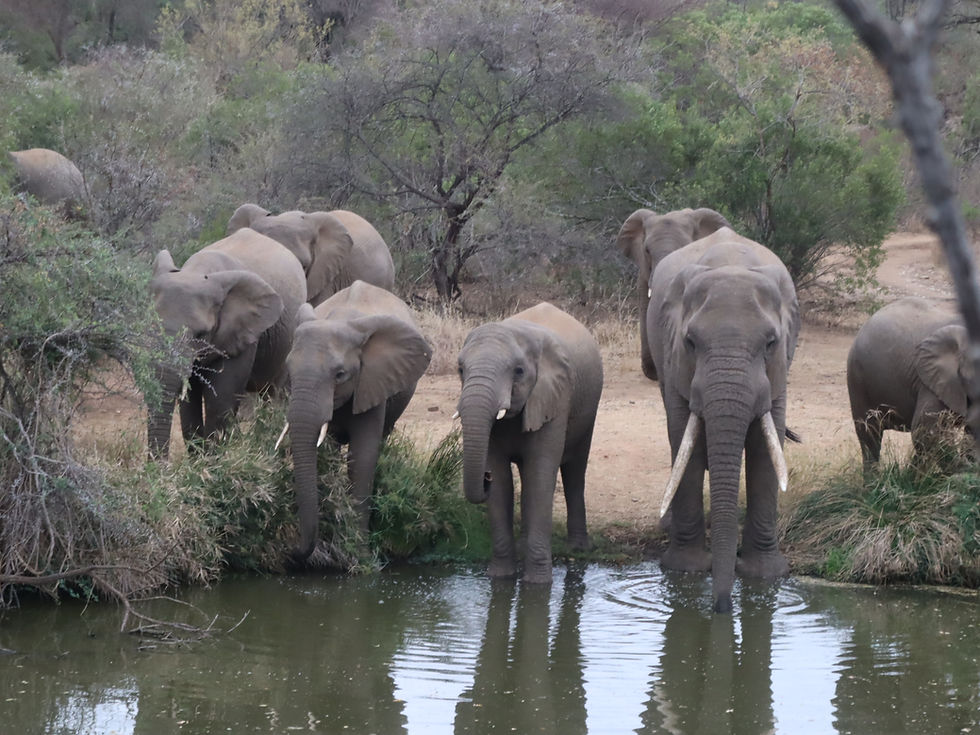
Within the northern safari circuit, Tarangire National Park is often described as underrated. In the dry season, it’s phenomenal for elephant herds, baobab‑studded vistas, and fewer vehicles than the Serengeti. Nearby Lake Manyara is smaller but famous for its tree‑climbing lions, birdlife, and flamingo‑lined alkaline lake; many itineraries use it as a scenic stop on the way toward Ngorongoro and the Serengeti.
Southern and Western Parks: Nyerere, Ruaha, and Beyond
If you’re drawn to quieter game reserves and fewer vehicles:
Nyerere National Park (formerly Selous Game Reserve) offers boat safaris, walking, and classic game drives along rivers and lagoons, with a wilder feel and a fraction of the crowds.
Ruaha National Park combines rugged landscapes, big cats, and large elephant and buffalo populations in a remote, old‑Africa setting.
In the far west, Lake Tanganyika and adjacent protected areas attract those seeking truly off‑the‑grid experiences and, in some areas, chimpanzee tracking and freshwater exploration.
Cities and Add‑Ons: More Than Just Safari
While many travelers focus purely on wildlife, Tanzania also offers cultural and coastal extensions:
Dar es Salaam – The country’s commercial hub and a practical gateway to the Indian Ocean coast and islands.
Mount Kilimanjaro – Tackling Africa’s highest peak can bookend a safari; many itineraries start or end in the Kilimanjaro/Arusha area, even if you don’t climb.
You can pair your safari experience with a beach stay in Zanzibar or other coastal islands, or with time in Dar es Salaam if you want a taste of modern Tanzanian city life.
Accommodation and Choosing a Tour Operator
From simple tented camps to ultra‑luxury lodges, Tanzania’s safari accommodation spans a wide spectrum. The key is matching style and budget to location and season. A well‑situated mid‑range tented camp inside Serengeti National Park can deliver a better wildlife viewing experience than a more upscale lodge outside the park boundary—especially in migration months.
Equally important is choosing a reputable tour operator. A good operator:
Knows how to time and route Tanzania tours around migration patterns and seasons.
Uses safe, well‑maintained vehicles and experienced guides.
Books camps and lodges that fit your comfort level and expectations.
Look for operators with strong reviews, clear communication, and a track record of working across both the northern safari circuit and southern parks like Nyerere National Park and Ruaha National Park if you’re going beyond the classics.
Health, Visas, and Practical Notes
You’ll need to check visa rules for your nationality and confirm any health requirements (like yellow fever rules if you’re transiting through certain countries). Tanzania is a malaria zone, so talk to your doctor about prophylaxis well before you leave, and pack standard safari essentials: neutral clothing, layers for cool mornings and warm afternoons, good footwear, sun protection, and any personal medications.
A well‑planned Tanzania safari weaves together Serengeti National Park, Ngorongoro Crater, one or more of Tarangire National Park, Lake Manyara, or the southern game reserves, and often finishes with relaxing time by the ocean or at Mount Kilimanjaro’s foothills. The best safaris are built around your priorities: peak wildlife viewing, fewer crowds, specific parks, or travel during a particular month like June to October.
If you’d like, tell us when you’re thinking of going and which parks appeal most—Serengeti and Ngorongoro, the quieter south, or a combination—and we can suggest a sample route and ideal time to visit Tanzania for your style of safari.
Ready to start planning? Contact Condor Tours & Travel for a free consultation. Our advisors bring decades of experience designing journeys that exceed expectations — from first inquiry to final homecoming. Reach us at info@condortt.com or call +1 770-339-9961.


Comments