
Kenya vs. Tanzania Safari: Which Country Is Right for You?
- jctillery15

- Jun 9
- 8 min read

Kenya and Tanzania share one of the greatest wildlife ecosystems on earth — the Serengeti–Mara ecosystem — and both countries deliver African safari experiences that most travelers describe as the most memorable trips of their lives.
They are also two of the most iconic safari destinations anywhere, with national parks, private conservancies, and game reserve areas that set the global standard for wildlife viewing. But Kenya and Tanzania are not interchangeable; the right choice depends on what you want to see, when you are going, and how you imagine your time on safari.
Below is an honest, side‑by‑side look at Kenya vs Tanzania to help you decide whether to visit Kenya, Tanzania, or combine both into one epic journey.
The Short Answer
Choose Kenya if:
You want the classic Great Migration river crossing scenes in the Masai Mara, especially July through October.
You prefer slightly easier logistics, with Nairobi as a major international hub and Nairobi National Park right on the city’s doorstep.
You like the idea of pairing your African safari with time on the Indian Ocean coast or an overnight at Giraffe Manor before or after your trip.
You want a shorter itinerary focused on a few high‑impact safari destinations such as the Masai Mara and a nearby game reserve.
Choose Tanzania if:
You want the most diverse national park circuit in East Africa, including Serengeti National Park, Ngorongoro Crater, Tarangire, and Lake Manyara.
You are considering a Tanzania safari at any time of year, including calving season (January–February) in the southern Serengeti.
You want to add Zanzibar, the Spice Islands, or even time in Dar es Salaam and the Indian Ocean islands as your post‑safari beach fix.
You are drawn to the idea of seeing Mount Kilimanjaro on the horizon or pairing your safari with a Kilimanjaro trek.
Choose both Kenya and Tanzania if:
You have 12–14+ days and want the definitive Tanzania and Kenya combination: Masai Mara, Serengeti National Park, Ngorongoro Crater, and either Lake Manyara or Tarangire, plus a beach finale.
You want to see both sides of the Serengeti–Mara ecosystem and maximize your chances of intersecting the Great Migration at different points.
The Great Migration and River Crossings
When people ask “Kenya vs Tanzania for the Great Migration?” what they really want to know is: Where and when do I have the best chance to see a dramatic river crossing?
The Great Migration is a year‑round movement of roughly 1.5 million wildebeest, zebra, and gazelle through Tanzania’s Serengeti National Park and Kenya’s Masai Mara. The famous river crossing moments happen at the Mara River, which forms part of the border between Tanzania and Kenya. During these crossings, animals pour into crocodile‑filled waters in chaotic, heart‑pounding waves — the kind of scene that defines an African safari in many travelers’ minds.
Timing is the critical factor:
Roughly July through October, the herds concentrate on the Kenyan side, making the Masai Mara the top choice if a river crossing is your primary goal.
From about November through June, the herds are mostly in Tanzania’s Serengeti, shifting between the central, western, and southern regions. Calving season in January–February, often in the Ndutu area, is particularly powerful, with hundreds of thousands of newborns and intense predator action.
If you are set on the “documentary‑style” Mara River crossing, visit Kenya and base yourself in or near the Masai Mara between July and October. If your travel dates are flexible or you are more interested in wide‑open landscapes and varied behavior (calving, rutting, predator interactions), a Tanzania safari built around Serengeti National Park at other times of year is a better choice.
National Parks: Tanzania’s Depth vs. Kenya’s Icons
When comparing Kenya vs Tanzania, Tanzania generally wins on sheer national park diversity, while Kenya shines through a mix of iconic names and easy routing.
Tanzania’s National Park Circuit
A classic Tanzania safari can include:
Serengeti National Park – The best‑known safari destination on earth, with vast open savanna, year‑round wildlife, and front‑row access to the Great Migration. It is the backbone of most Tanzania safari itineraries.
Ngorongoro Crater – A collapsed volcanic caldera that acts as a natural wildlife bowl, holding around 25,000 animals in a relatively compact, dramatic setting. A game drive on the crater floor often delivers big cats, elephants, and sometimes black rhino in a single day.
Lake Manyara National Park – A smaller but beautiful park often used as a first or last stop on a northern Tanzania circuit, known for its birdlife, tree‑climbing lions, and striking Rift Valley backdrop.
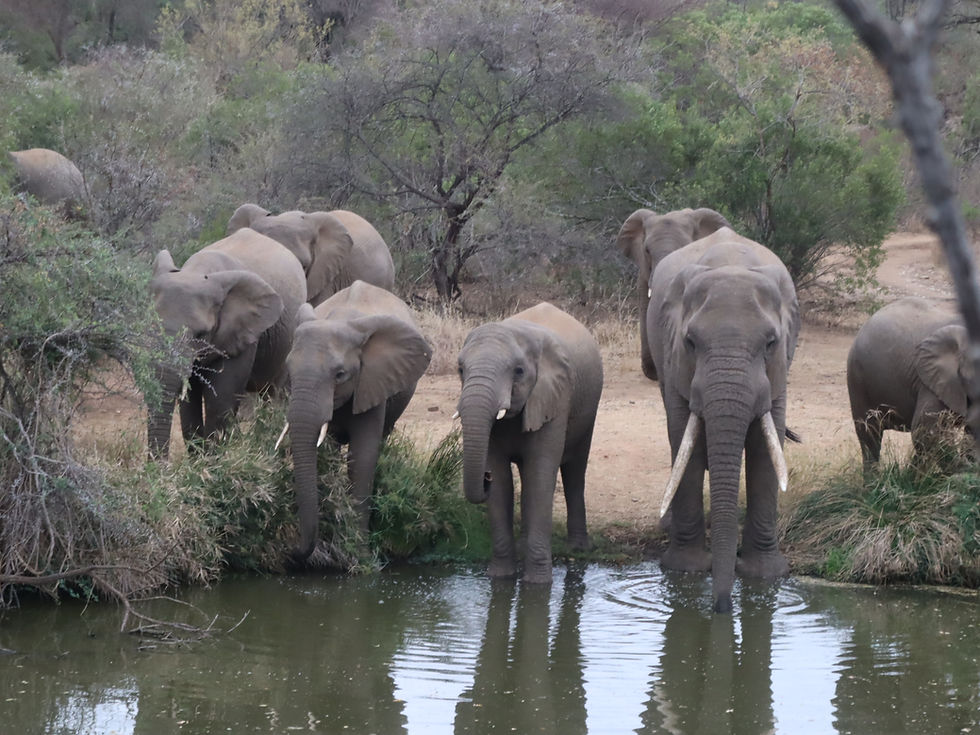
Tarangire National Park – Exceptional in the dry season, with huge elephant herds clustering around the Tarangire River and striking baobab‑dotted landscapes.
Southern parks like Nyerere (formerly Selous) and Ruaha for travelers seeking remote, less‑visited safari destinations with walking, boating, and fewer vehicles.
Together, these create a Tanzania and Kenya comparison where Tanzania has more varied ecosystems packed into a single country.
Kenya’s National Parks and Game Reserves
Kenya’s list of national parks and reserves is shorter but powerful:
Masai Mara National Reserve – A legendary game reserve and arguably the best place on the planet for big cat sightings, especially when the migration is in the area. The Masai Mara is central to the “visit Kenya” decision.
Amboseli National Park – Famous for elephants framed against Mount Kilimanjaro. While Kilimanjaro itself lies in Tanzania, many travelers first see its snowy summit from the Kenyan side.
Samburu National Reserve – A dry, northern game reserve where you find unique “Samburu special five” species like reticulated giraffe and Grevy’s zebra.
Nairobi National Park – A unique protected area just outside the capital, where you can see lions, rhino, and other wildlife with Nairobi’s skyline in the background. It is a handy stop if you are overnighting between flights.
In the Kenya vs Tanzania national parks debate, Tanzania usually wins for variety and depth, but Kenya holds its own with a set of world‑class, highly photogenic parks and reserves.
Coastlines, Cities, and the Indian Ocean
Both countries offer easy access to the Indian Ocean, but they deliver slightly different flavors.
In Kenya, it is easy to pair the Masai Mara or Nairobi National Park with the palm‑fringed southern coast or islands like Lamu. Many travelers fly from the bush straight to the beach to end their time in Kenya and Tanzania with relaxation on white sand.
In Tanzania, most travelers think of Zanzibar, Pemba, or Mafia Island, reached via flights from the Serengeti, Arusha, or Dar es Salaam. These islands are perfect for diving, snorkeling, and winding down after a full Tanzania safari circuit.
If you know you want a big city plus beach combination, Dar es Salaam acts as a gateway to southern Tanzania and the offshore islands, while Nairobi offers urban energy, Giraffe Manor, and easy access to both Nairobi National Park and flights deeper into Kenya and Tanzania.
Signature Experiences: From Giraffe Manor to Mount Kilimanjaro
Certain experiences are almost synonymous with each country and can tip the Kenya vs Tanzania decision:
Kenya highlights
Staying at Giraffe Manor near Nairobi, where endangered Rothschild giraffes wander onto the property and sometimes join you at breakfast.
Game drives in the Masai Mara, especially during the Great Migration or river crossing season.
Day or overnight trips into Nairobi National Park to see rhino, lion, and more just minutes from the city.
Tanzania highlights
A multi‑day Tanzania safari that combines Serengeti National Park, Ngorongoro Crater, and Lake Manyara for maximum variety in a single trip.
Photographing elephants at the foot of Mount Kilimanjaro from the Kenyan side in Amboseli, then crossing into Tanzania if you want to trek the mountain itself.
Ending your journey on a beach in Zanzibar or another Indian Ocean island accessed via Dar es Salaam.
If these signature moments — Giraffe Manor vs. Ngorongoro Crater, Masai Mara vs. Serengeti National Park, Nairobi vs. Dar es Salaam — are on your must‑see list, they will naturally nudge you toward either visit Kenya first or build a Tanzania and Kenya combo itinerary.
Logistics, Budget, and How to Choose
In practical terms, Kenya has slightly smoother logistics:
Nairobi is a major hub with many international flights.
Connections between parks such as Nairobi–Masai Mara–Amboseli are straightforward.
There is a strong range of mid‑range to high‑end camps and lodges.
Tanzania’s parks are more spread out and often require carefully sequenced flights or drives between Serengeti National Park, Ngorongoro Crater, Lake Manyara, and beyond, but the payoff is a deeper, more varied Tanzania safari.
Budget‑wise, both countries can range from solid mid‑range to ultra‑luxury. Tanzania’s park fees and internal logistics can push overall costs higher, while Kenya sometimes offers a few more options at the mid‑range level.
Safety Concerns
Safety is a major consideration for any international trip, and both Kenya and Tanzania are generally safe, well‑established safari destinations that have welcomed millions of visitors over many decades. Most travelers report feeling very secure throughout their stay, especially when they travel with reputable operators, use private transfers or scheduled safari flights, and stay in vetted lodges and camps.
In both countries, the main safari areas—such as the Masai Mara, Samburu, and Nairobi National Park in Kenya, and Serengeti National Park, Ngorongoro Crater, and Lake Manyara in Tanzania—are far from major urban centers and are heavily focused on tourism. These regions depend on tourism as a key economic driver, so local stakeholders and authorities work hard to maintain a stable, guest‑friendly environment. Camp and lodge staff are used to hosting international guests and follow established safety protocols, from secure grounds to guided movements after dark.
That said, Kenya and Tanzania are still developing countries, and normal big‑city precautions apply in places like Nairobi or Dar es Salaam: avoid displaying valuables, use trusted transportation, and follow hotel or guide advice on where and when to walk around. Most travelers spend limited time in these cities—often just a night on arrival or before departure—and rely on pre‑arranged transfers, which further reduces risk.
In terms of political stability, both countries experience periodic elections and political discussions, but major safari circuits are rarely affected. When demonstrations or political events do occur, they are typically localized in specific urban areas and well‑reported in advance, allowing itineraries to be adjusted if needed. Reputable tour operators monitor local developments closely, work with on‑the‑ground partners, and build in flexibility to route around any potential disruptions.
When comparing Kenya vs. Tanzania on safety, there is no clear “winner”—both are considered safe for tourists who follow common‑sense guidelines and rely on professional planning. The biggest factors in your personal safety will be the quality of your itinerary design, the credibility of your ground partners, and your willingness to follow your guide’s advice. With those pieces in place, you can focus on what you came for: extraordinary wildlife, sweeping landscapes, and the joy of an African safari.
The Honest Recommendation
For a first‑time African safari with limited time, it is hard to beat Kenya: fly into Nairobi, enjoy Nairobi National Park or Giraffe Manor, then head to the Masai Mara for a few nights, especially July–October for those dramatic river crossing scenes.
For a more expansive, “this is my once‑in‑a‑lifetime trip” experience, a Tanzania safari hitting Serengeti National Park, Ngorongoro Crater, and Lake Manyara, followed by a few nights on the Indian Ocean, is exceptional.
For the ultimate tanzania and kenya journey, consider a circuit that includes both countries: start in Kenya’s Masai Mara, cross into Tanzania for the Serengeti and crater, then finish on the coast.
Ready to Plan Your Great Adventure?
At Condor Tours & Travel, we design custom itineraries across both Tanzania and Kenya, matching the right national parks, game reserve areas, and coastal extensions to your travel dates and priorities. If you share a bit about your timing and must‑see experiences, I can outline a sample route that fits your style.

Comments